
“There’s this pervasive narrative that you need to ‘optimize’ every aspect of your health—like basic habits aren’t enough anymore,” says 21-year-old public relations student at Quinnipiac, Kee Hussain. Having studied both the impact of media influence and importance of audience perception— she is no stranger to the current prevalence of diet culture in social media.
Hussain is not alone in thinking this, according to the National Library of Medicine, “Today, young people are often immersed in a digital world where desires to change one’s body, excessive exercise and preoccupation with food appears normal.” This reflects the broad influence of modern digital platforms, which as the National Library of Medicine further notes, has caused inaccurate health information to be easily accessible.
A Culture Curated by Screens
Diet culture didn’t start with Instagram and TikTok. It is a phenomenon that has been around longer than social platforms have taken over the media landscape, having saturated the 1980-90’s with weight loss targeted magazines and advertisements. Now, with the rise in popularity of creator-based platforms such as TikTok and Instagram, it is easier than ever to spread dangerous messages and advice to vulnerable populations.
This digital shift doesn’t simply mean a change in format, but a change in power— not replicating the standards of society; but using modern technology to create them.
A Look-Back at Toxic Trends
Diet culture is a long-existing phenomenon. Teen Vogue shares how dieting first began in Ancient Greece “as a holistic approach to physical and mental health,” but later shifted as “a way to lose weight or change one’s body” in the 19th century. With the emergence of technology in recent years, approaches to addressing diet culture have become digital. Here is a glimpse of the past 15 years:
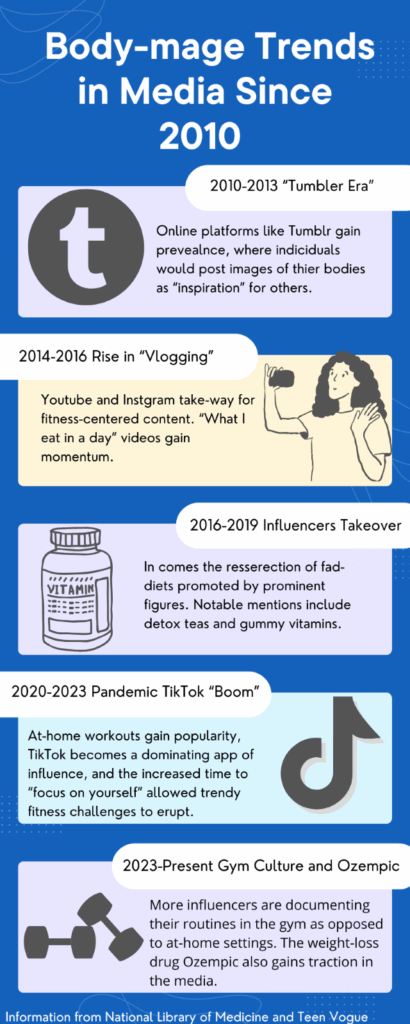
Now, how are these trends reflective of social media’s ability to spread information through audiences? These trends evolve quickly. Algorithms repost engaging content, influencer platforms grow visibility, and users themselves absorb the information in real-time.
Designed Perfection and Algorithmic Control
Lisa Burns, a media studies professor at Quinnipiac, emphasizes the careful curation of content we see online:
“We have to keep in mind that most of what you’re seeing on social media is created for social media,” shared Burns. “It is projecting an image. So, in some ways, it’s like the old-fashioned magazines or, you know, if you see a movie, we’re portraying things in the best light, even when people are sort of complaining and sharing…they’re doing it in a way that is calculated.”
While this sense of perfection has been deeply embedded into American culture for years— with everything from evolving beauty standards to systematic academic pressures— the desire to achieve new heights is ongoing.
Digitally, the growing presence of user-generated content (UGC) has grown the spread of unregulated advice— which is what PGI describes to be opinionated statements used in factual context promoted by online “havens of free speech.” This creates a broader opportunity for anyone to share health information, whether they have the credentials or not.
Burns elaborates on the strength of UGC-powered algorithms within social platforms:
“There’s some level of choice that’s taken away from you because of the algorithm…Liking just one thing can send you down a rabbit hole of really harmful content.” She continued, “It’s so hard to get away from unless you retrain your own algorithm—which many people, especially teens, don’t know how to do.”
The Numbers Behind Distortion
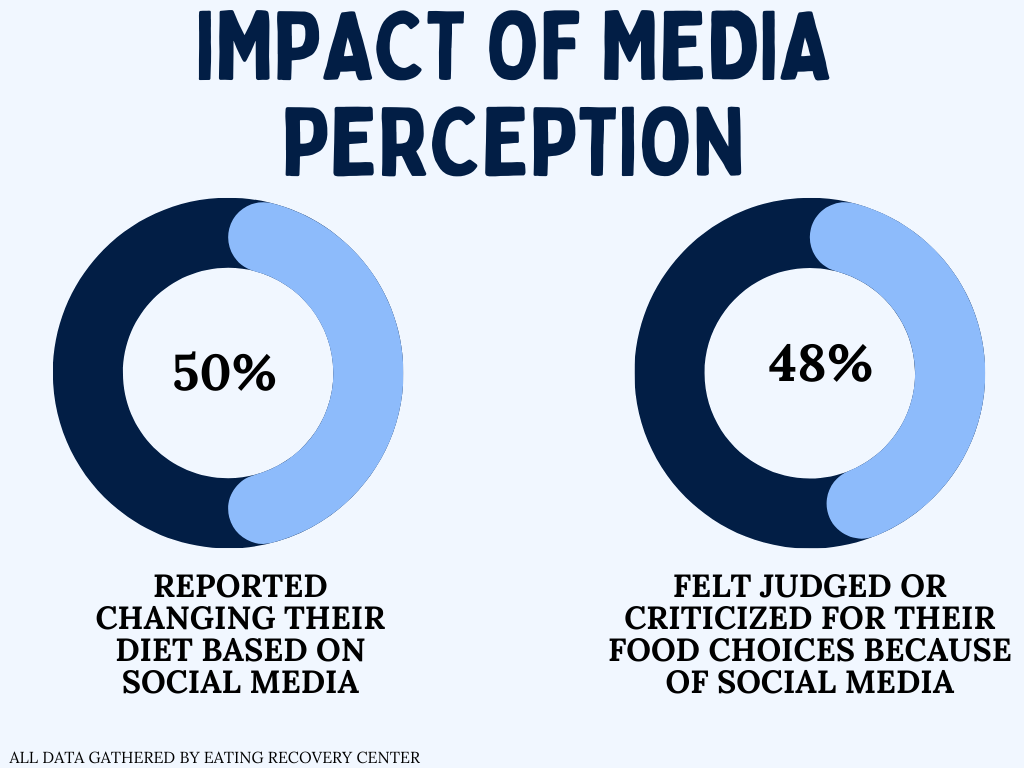
According to the Eating Recovery Center, “A study found that 50% of participants reported changing their diet based on a social media post, and 48% felt judged or criticized for their food choices because of social media.” The prevalence of UGC-driven platforms today, combined with the deeply rooted desire for perfection in society, helps to show why the statistics are so high.
The Psychological Toll of Achieving “Wellness”
So how can health related UGC become a slippery slope? The lack of authenticity makes it difficult to differentiate false narratives from reality when it comes to health advice. To further elaborate on the implications, research from the American Psychological Association shows that the unrealistic standards portrayed online can lead to poor mental health, making it difficult to obtain a sense of self-worth.
In an article written by the American Psychological Association, Social Psychologist, Thomas Curran, of the London School of Economics, describes how the standards we see online without any real human interaction result in an increased feeling of deprecation.
“Not only is perfectionism alienating us from ourselves, in the sense that we’re trying to be somebody else—somebody perfect, it also alienates us from other people in the pursuit of outperforming them…that creates a lot of loneliness,” said Curran.
Influencer Behavior: When Guidance Leads to Harm
At the root of the issue, however, lie the faces behind the harmful messages— influencers themselves who have the platforms to spread damaging information.
One of the most well-known examples is 23-year-old New York City based influencer Olivia “Liv” Schmidt, who has gained significant backlash for her weight-loss advice and approach to body image online. Despite having over 670,000 followers on TikTok, due to the messages she promotes, Schmidt has been banned from the app due to her controversial presence. Her account on TikTok has been banned since September 2024, but here are some examples of Schmidt’s Instagram content:
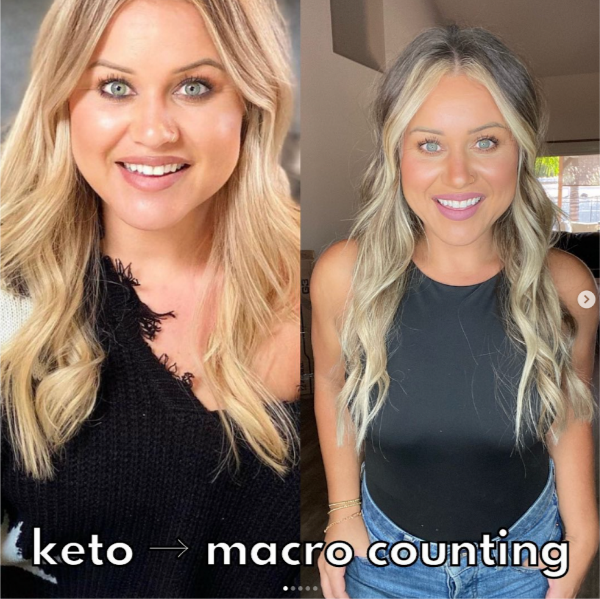
It doesn’t end there. Another influencer with a more recent controversy would be Janelle Rohner. Rohner, a well-known wellness guru with over 5 million followers between TikTok and YouTube, has recently been caught under fire for her deceptive weight loss, promoting her low-calorie meals and workout plans while failing to share with her audience that she has been taking Ozempic, the appetite-suppressing medication.
Rohner even promoted her own “Macros 101” course, sharing her “lifestyle” with others to help them achieve weight-loss like her. This case is one of many that proves just how deceiving and harmful digital information can be. Nowhere in her book did she mention she was on weight-loss medication to achieve the figure audiences believed was the sole result of the diet and exercise she preached in her videos.
Male Influencers and Fitness
While diet culture and overall social media usage is a popular topic among females, males are equally exposed to harmful digital fitness narratives.
Another controversial figure, Brian Johnson, known online as the “Liver King,” is famous for promoting extreme diets, such as eating only “ancestral” foods like raw organs, while simultaneously lifting extreme weights at a low body-fat percentage. Johnson is known for claiming to have naturally achieved his lean and muscular physique, but like Rohner, was caught falsely advertising a natural routine. After being exposed for sharing his anabolic steroid regimen in a private email chain to other influencers, Johnson was forced to upload a apology video for his audience, claiming “I lied, and I misled a lot of people.”
Generational Influence
So how do people like Schmidt, Rohner, and Johnson influence key demographics today? According to the National Library of Medicine, “Self-esteem is crucial, especially for young individuals, as they are going through a period of forming their identity.” With the growth of influencer culture and the ability to gain a mass-following from seemingly nothing, the minds of young and easily persuaded audiences become effortless to infiltrate with false narratives.
Young adults and teens being primary victims of the dangerous content online makes them the demographic at highest risk of falling susceptible to unhealthy habits and misinformation.
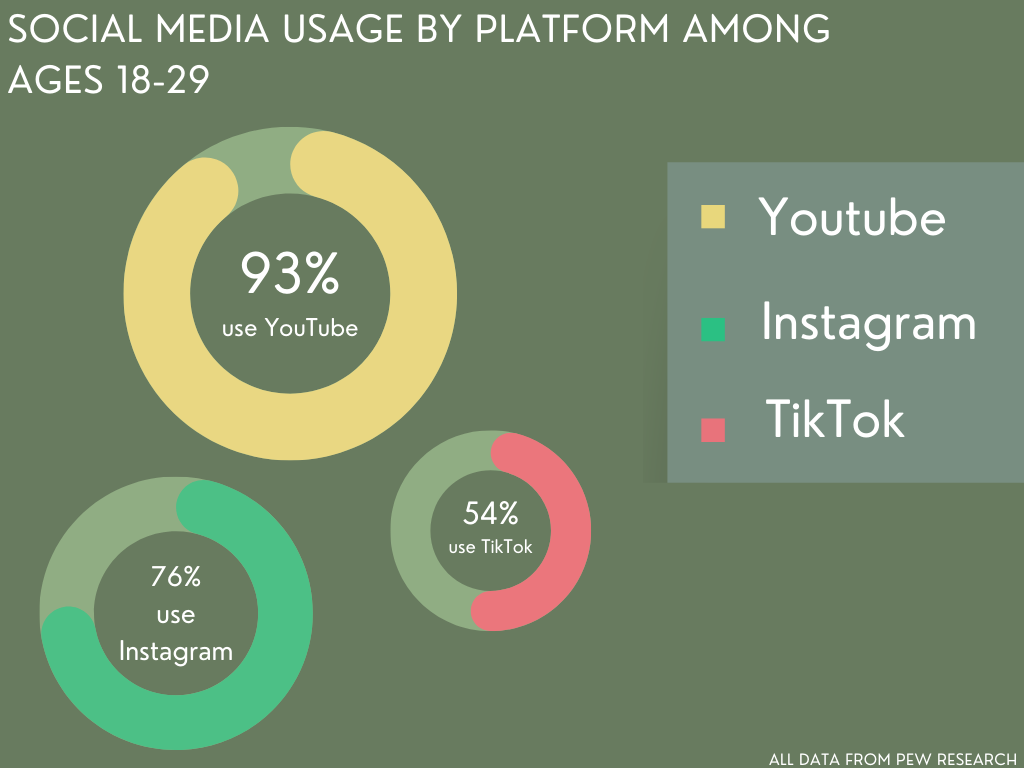
According to the National Library of Medicine, “Research supports that social media’s influence on behavior is especially potent among younger users.” It was further elaborated that “This is particularly true for adolescents and young adults aged 10 to 25, who are still forming identity, habits, and self-perception.”
Student Voices: The Faces Behind the Damage
Falling within this age range, Quinnipiac students themselves— like Hussain mentioned earlier, express their own dilemmas with being forced by algorithms into consuming harmful content.
“Once you engage with certain content, you’re fed more and more of it… It can make it seem like everyone is doing a particular diet or workout when that’s far from reality,” shared Hussain.
This said, she added her personal ways to combat media deception, sharing “I look at credentials—does this person actually know what they’re talking about, or do they just look fit?”
On the other end of the spectrum, male students at Quinnipiac explain how equally difficult it can be— especially for those in the bodybuilding industry looking to match the physique of popular influencers.
21-year-old student Jake Donahue elaborates on this:
“Social media is just a slippery slope for training. You don’t know what’s real or what someone’s doing behind the scenes,” said Donahue.
Donahue continued to emphasize how difficult it can be to find genuine inspiration, sharing “Some guys look up to people and might try to attain their physique without knowing what’s really going on.”
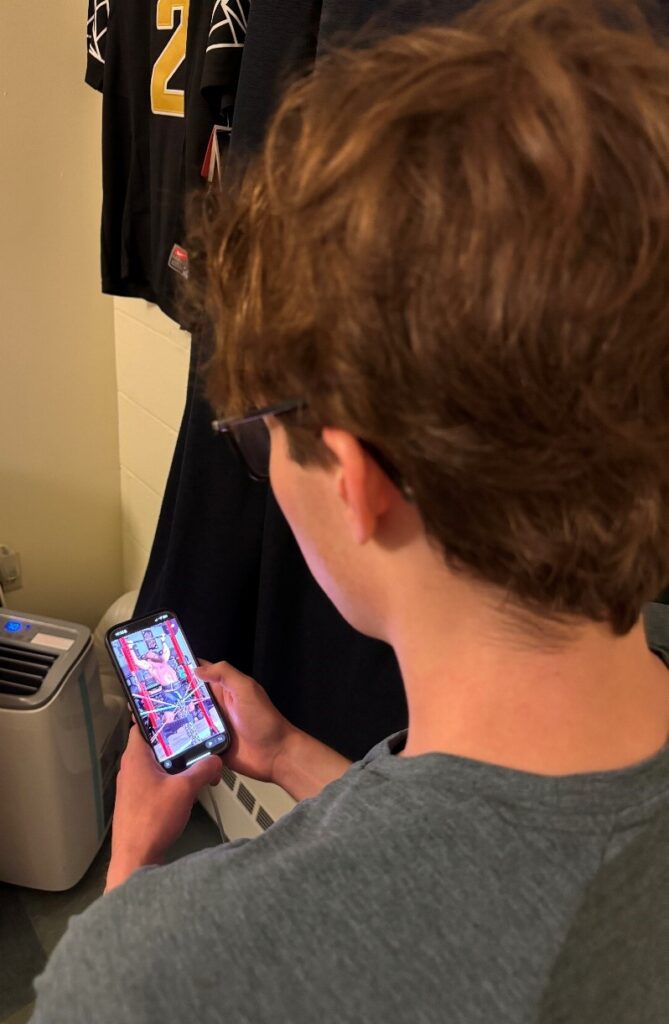
In a broader picture, while the concerns of individuals like Hussain and Donahue are becoming increasingly prominent, their experiences are not only anecdotes— they are living proof of findings analyzed by professionals specializing in the intersectionality of media and disordered eating patterns.
Concerning Becoming Clinical
Clotilde Dudley-Smith, a Quinnipiac health science professor with a focus in the prevention of eating disorders in teens, weighs in on the importance of being aware of deceptive information often found within digital platforms.
“What’s happening to society— we become so unhappy with ourselves that we feel the need to change it,” Dudley-Smith claimed. She further elaborated on how the lack of control regarding information intake and algorithms results in over-restrictive behavior.
“Any type of eating disorder is really a matter of control… because they now have control of something. They can own that,” Dudley-Smith shared.
Danger by The Numbers
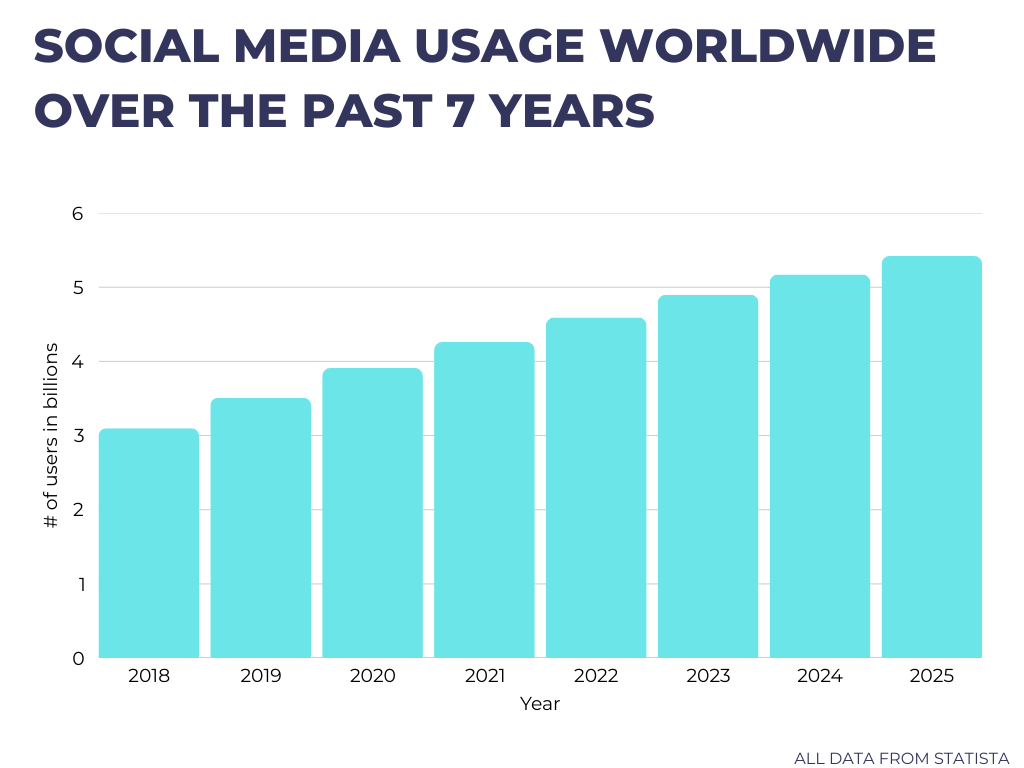
It’s not only the first-hand insights that provide a look into both the mental and psychological implications of diet culture infiltrating social media feeds, but data itself explains the growing prominence of digital deception.
The statistics reveal a dangerous trend, as the gradually increasing number of eating disorder diagnoses in the U.S. is positively correlated with growing social media usage world-wide.

Professionals like Dudley-Smith continue to warn how, through their own perspective, social media can distort society’s perceptions of body image.
“It’s not just the pressure to look a certain way—it’s that the media shows you how, over and over again, that if you can change something, you will,” said Dudley-Smith. “And when everyone’s doing it online, it starts to feel normal—even when it’s not.”