
For most people in New York and Westchester County, the Fifa World Cup has always felt like something that happens somewhere else. A spectacle unfolding across oceans, where the roar of each stadium only reached us through late-night broadcasts and bar screens. But in 2026, the world’s biggest sporting event is landing right in their own backyard, with MetLife Stadium set to host multiple matches including a semifinal and locals are already feeling the ripple effects.
This is not a story about government budgets or international politics. It is about what ordinary people here like servers, fans, commuters and nearby residents think is coming. The excitement, the traffic, the business rush, the headaches, the pride.
And if history tells us anything, those ripples tend to turn into waves.
A new moment for a global game
“I think people here don’t know how big it’s going to be until it hits,” says Ryan Appel, a 20-year-old soccer fan from Westchester. “I mean, we always say New York is the center of the world. Now the world is actually cominghere.”
Appel remembers staying up late for World Cup matches as a kid, but for the first time, he will be able to take his car and be inside a stadium hosting the world’s most-watched event. For fans like him, this is not just an opportunity; it is validation.
“It’s going to feel like when the Knicks make the playoffs or the Yankees win a pennant, but amplified by a thousand,” he says. “And it won’t just be U.S. fans. It’ll be Argentinians, Mexicans, the English, the French… everyone.”
New York has always fed off international energy. The World Cup is basically pouring jet fuel on that.
The soccer boom is already here
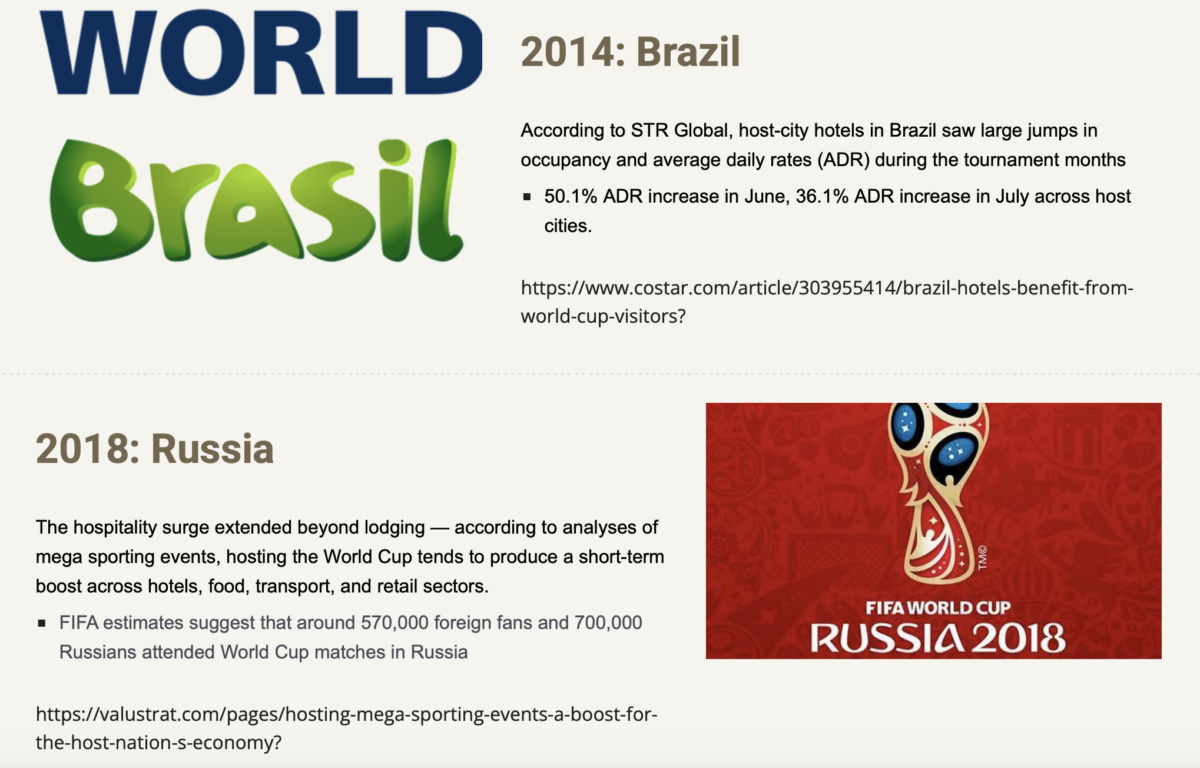
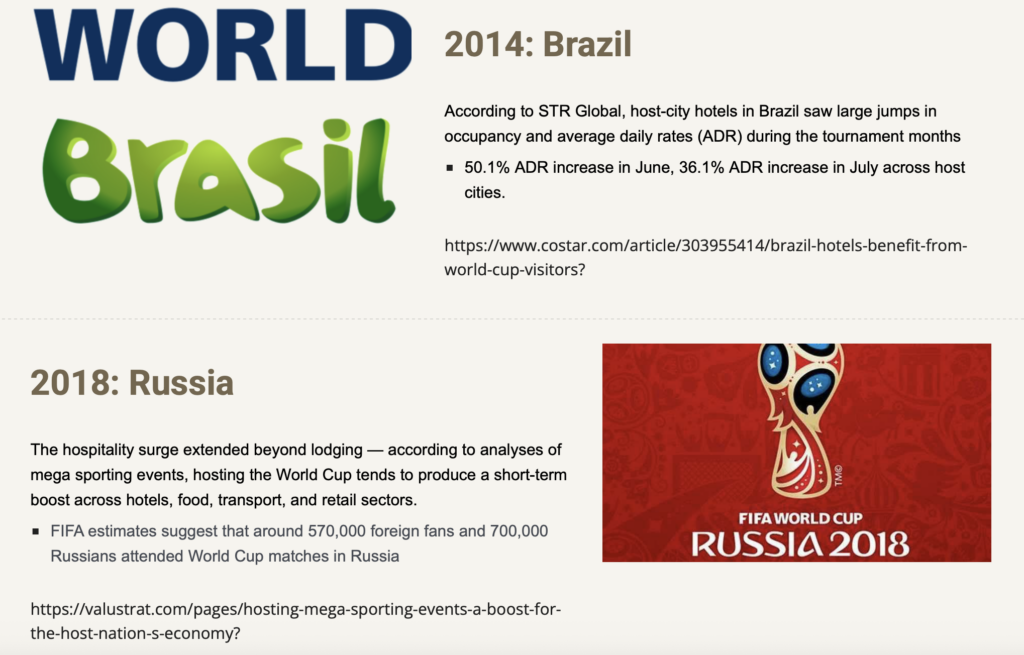
The past four World Cups have left different marks on the cities that hosted them. In Brazil, bar and restaurant sales spiked. In Russia, hotels saw record occupancy. Qatar despite its controversies became a temporary crossroads of cultures.
Experts can argue about the long-term economics, but the local effects? Those tend to be immediate and undeniable: packed bars, booming transit ridership, sold-out hotels and small businesses flooded with customers.
And signs of a similar surge are already creeping into the New York region.
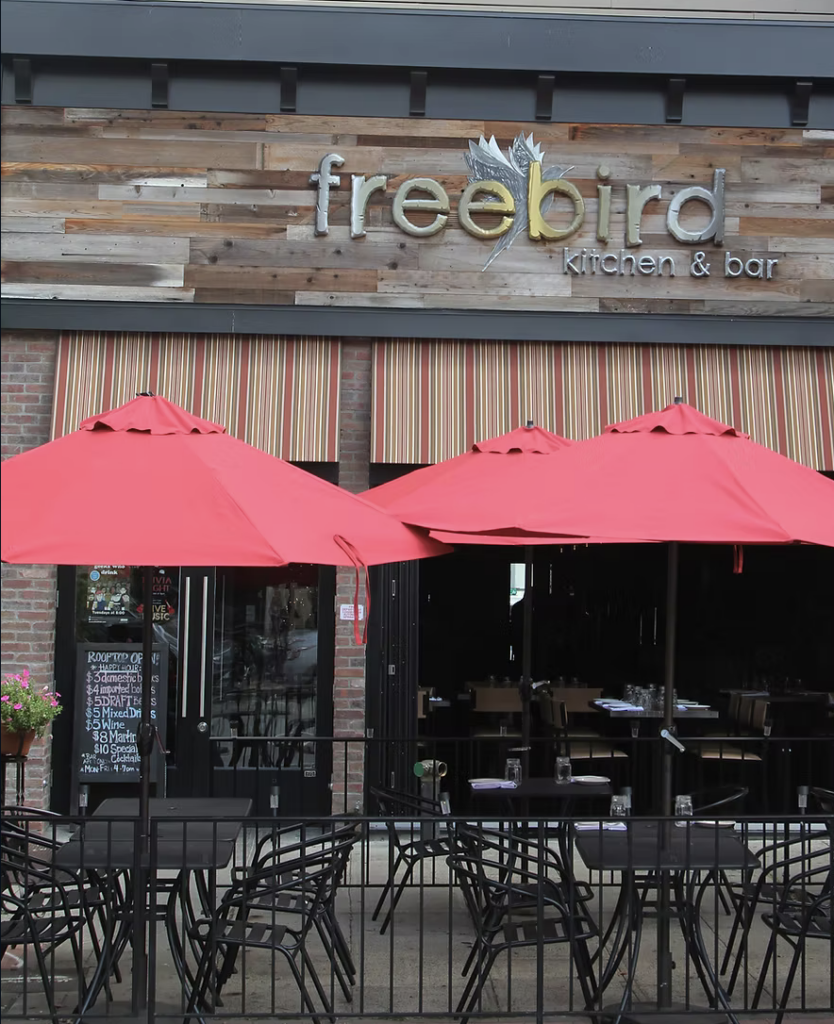
At Freebird Kitchen in White Plains, waitress Shayla Ospina says the restaurant usually gets a boost even when the World Cup is played thousands of miles away. This time, she expects a completely different scale.
“Oh, it’s going to be chaos but in a good way,” she laughs. “Every match day, people pack the bar. And that’s when the games were in Qatar. Now it’s here? We’re going to be on another level.” She says the staff is already joking that they’ll need “World Cup stamina” to keep up with crowds.
“We get people calling and asking if we’ll be showing the games, and we’re still a year out,” she adds. “That’s never happened before.”
Living near the stadium… excitement and nerves
Not everyone views the tournament with pure anticipation. Vinny Woods, who lives in Westwood, New Jersey, roughly 25 minutes from MetLife, expects both excitement and disruption.
“Look, I love soccer. I’ll try to get tickets, sure,” he says. “But the traffic? The crowds? It’s going to be insane.” Woods is not frustrated, just realistic. His town already feels the impact when the Giants or Jets play. A World Cup match day will multiply that tenfold.
“You’re going to have people from all over the world flying in, staying in hotels in Jersey, taking Ubers through these little towns,” he says. “It’ll be great for business, but for the residents, it’s gonna be something to get used to.”
Experts say he is not wrong. Studies from Brazil and Qatar show that locals experience increased congestion and higher prices during the tournament. But they also show huge short-term booms for restaurants, rideshare drivers, bars, and retail. Woods expects the same.
“My buddy runs a bagel shop in town and he’s already planning specials for World Cup tourists,” he says. “Trust me, people here are going to find a way to cash in.”
The 2026 surge by the numbers
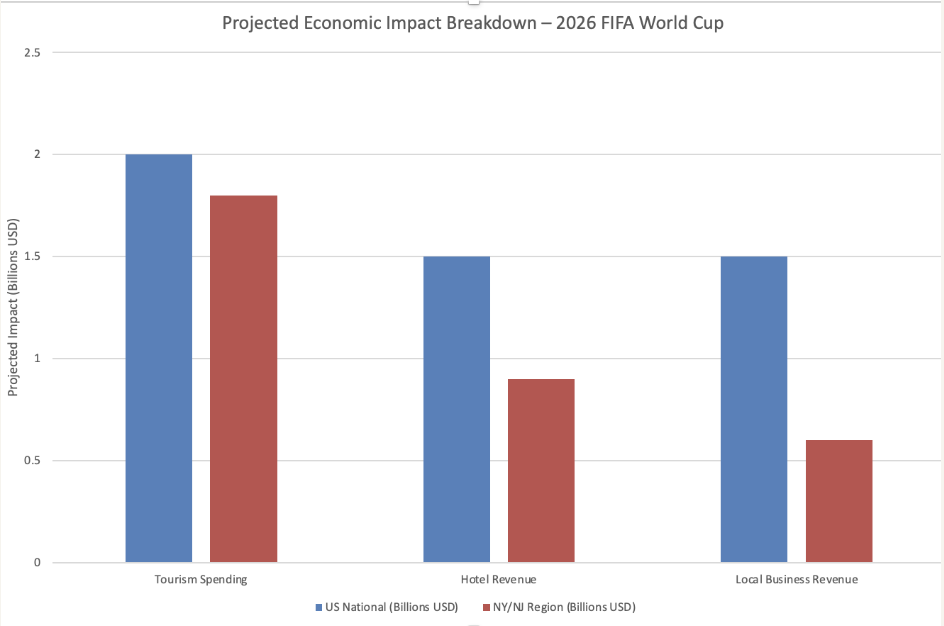
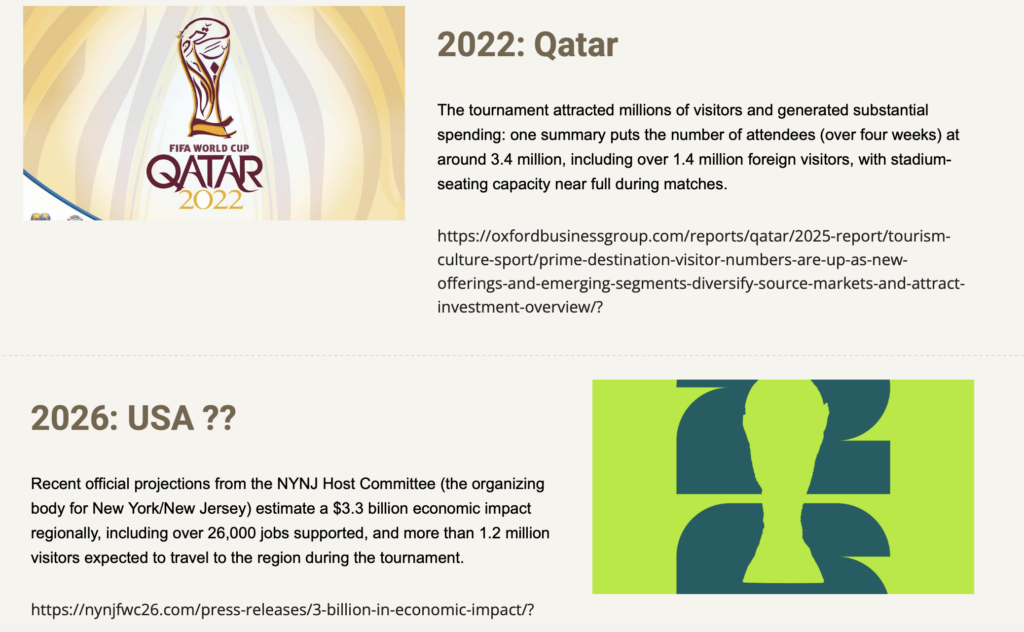
NYNJ Host Committee, 2024 press release
FIFA/WTO Economic Impact Study, summarized by Inside World Football, 2025
Oxford Economics: Tourism Economics Forecast, 2024
NYC businesses react
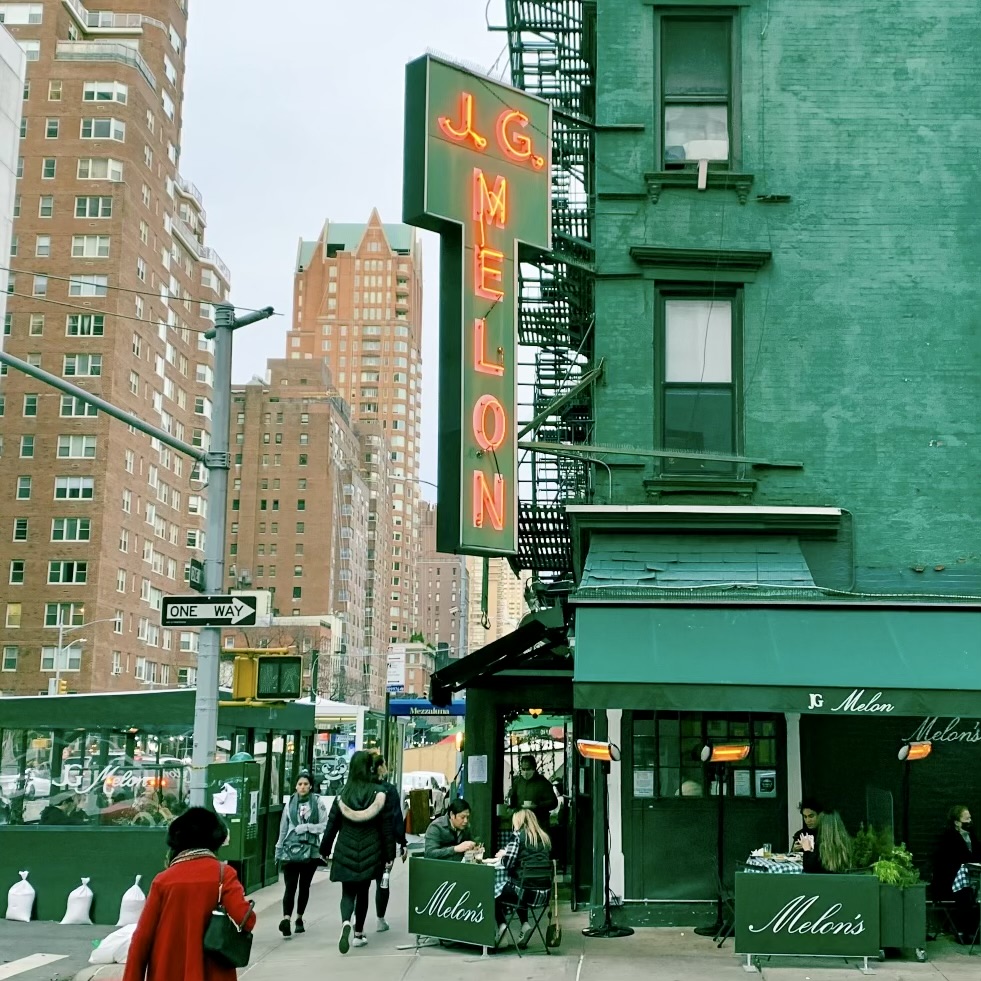
At JG Melon on the Upper East Side, manager Jaine Barne sees the World Cup as a moment that could tap into the same kind of energy New Yorkers feel during the annual marathon, an event that reliably brings a noticeable bump in business and a wave of excitement through the city.
She is expecting a similar surge as fans from around the world fill the city from mid-June through mid-July, especially with outdoor dining open and extra seating available during the summer months.
Even though JG Melon isn’t a sports bar, the restaurant anticipates an uptick in visitors looking to experience a classic New York spot and soak in the atmosphere.
Barne believes the tournament has the potential to bring out the best version of the city: lively streets, packed neighborhoods, and the kind of shared energy that makes New York feel bigger than the event itself.
A cultural earthquake is coming
Soccer fan Lucas Antenucci says the biggest impact won’t be money; it will be cultural. “Imagine the subways full of fans singing, bars in Midtown open all night, Westchester trains packed with people wearing scarves,” he says. “It’s going to be like nothing we’ve ever seen here.”
He thinks the 2026 World Cup could permanently elevate soccer in the region.
“You’re going to have kids watching stars play right across the river,” he says. “This is the kind of event that creates a whole new generation of fans.”
Neighborhoods across the region are already bracing for the impact of the 2026 World Cup. Train stations will be packed, restaurants are expected to sell out, and traffic will spike as fans from around the world descend on the area.
Last-minute hotel bookings are likely to surge, and huge watch parties will light up New York City, turning streets and bars into hubs of excitement. Beyond the city, a wave of tourists is expected to explore Westchester and North Jersey, bringing energy to communities across the region.
It will be disruptive. It will be exhausting. But it will also be electric. As Appel puts it, “We’ve watched this event change cities around the world. Now it’s our turn.”
The countdown to 2026 has already begun, and New York is about to feel bigger, louder, and more global than ever. The city is preparing for an influx that will test its infrastructure but also showcase its ability to host the world on an unprecedented scale.