
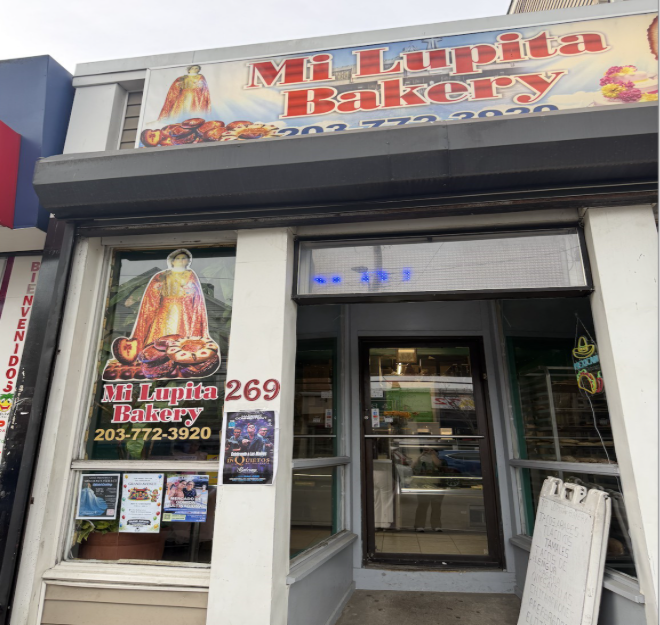
Mi Lupita Bakery— New Haven, CT
In the early mornings of New Haven, Connecticut, Hispanic business owners and staff on Grand Avenue prepare for the work day with uncertainty of what is to come. The smell of the restaurants radiates down the street along with the pan dulce and tamales from Mi Lupita Bakery. What once used to be the liveliest and most prideful streets are now quiet and fearful. Employees and managers from Mi Lupita Bakery, El Rey Azteca, La Super Marqueta, EcuaMex, and El Quetzal II notice the shift in the atmosphere and now are paying the consequences as business slows down.
This has become the new normal for many Hispanic-owned businesses in New Haven. As the Immigration and Customs Enforcement operations have increased across Connecticut, specifically in more diverse communities like New Haven.
These businesses share how these changes in enforcement priorities have changed what their businesses have looked like in the past months. Grand Avenue has been radiating with fear, and businesses are adapting to the new normal of losing clientele and being responsible for the safety and security of employees and customers.
According to a 2025 scholarly article by Washington, D.C. immigration lawyer Danielle Beach Oswald and Alice N. Barrett, “Patrolling of immigrant neighborhoods has increased, as have arrests of unlucky ‘collateral’ immigrants not initially targeted for arrests.” This has been the experience of one local restaurant, Mi Lupita Bakery owner’s sister, Beatriz Guzman Elias, and El Rey Azteca’s manager, Lizette Luma, say clients often call before even going to confirm whether the rumors of ICE presence in the area are true.
“People don’t go out anymore, there is barely anyone on the streets anymore,” said Guzman, “People come in fear and sometimes call asking if ICE is seen anywhere in the area.”
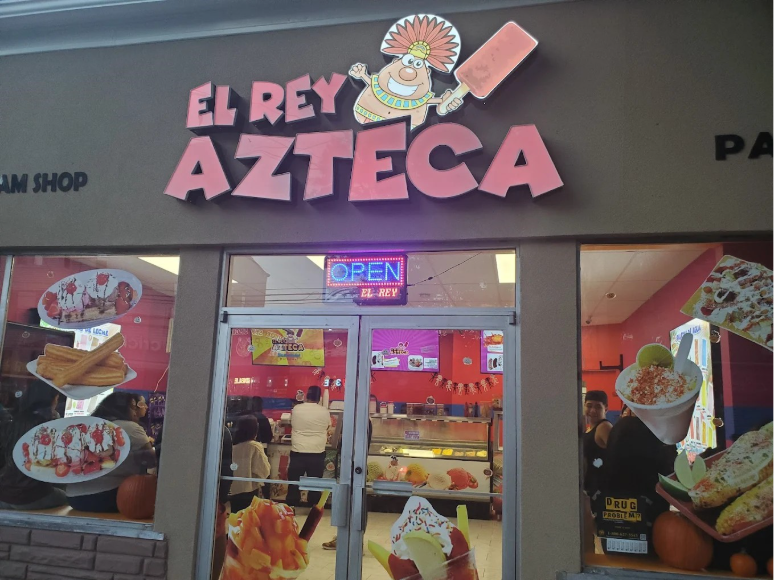
El Rey Azteca— New Haven, CT
“When I hear about any rumors of ICE being in the area I feel worried and intimidated,” Luma also added. “Clients are scared to come and of course our sales are being reflected on not having the same frequency of clients as we used to.”
The fear caused by the ICE raids is not always because of the direct deportations. Most of the time it is the simple presence of immigration officials roaming in the neighborhood that is more than enough to keep customers home and employees alert.
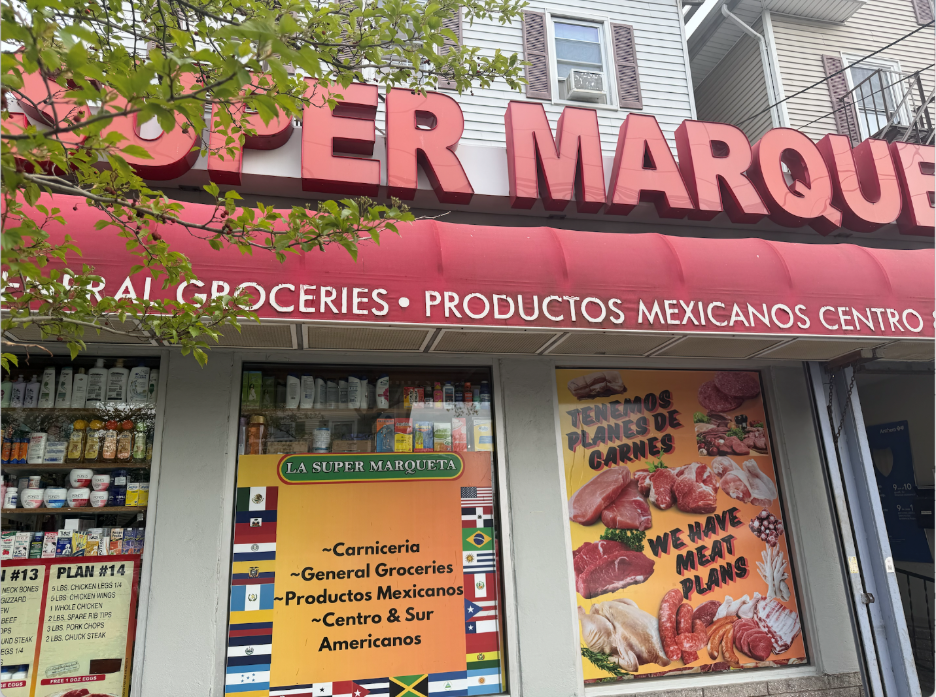
La Super Marqueta— New Haven, CT
“It is a lot slower because of the panic customers have entered in, even with previous presidents there was always panic, but with so much publicity on the ICE raids this causes more fear in the people,” said Senovia Bechicka, La Super Marqueta cashier.
For many employees at these businesses, the anxiety and fear of the uncertainty of the workday increases each time they hear a rumor of ICE. Yessenia Porres, cashier at EcuaMex, recently said in an interview, “Not too long ago we heard about ICE being by Ferry Street, I was very scared and did not want to come to work, but I have no other option and have to work.”
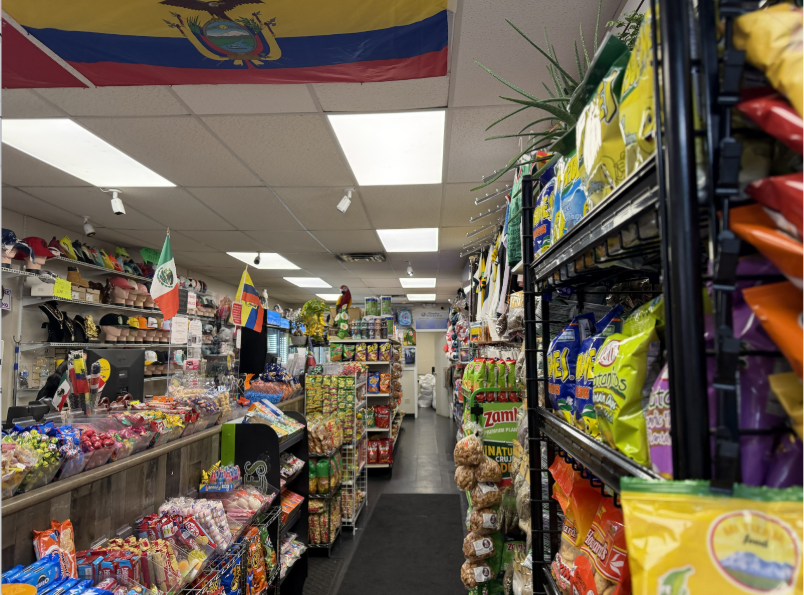
EcuaMex— New Haven, CT
The reality of many of these employees who are immigrants themselves is having to push through those fears to work and continue surviving. As reporter Kate Carlson wrote in a 2025 article in Crain’s Grand Rapids Business Journal, “Since President Trump took office, federal immigration policies have made it more difficult for many companies to attract and retain workers who are immigrants, especially in essential industries.”
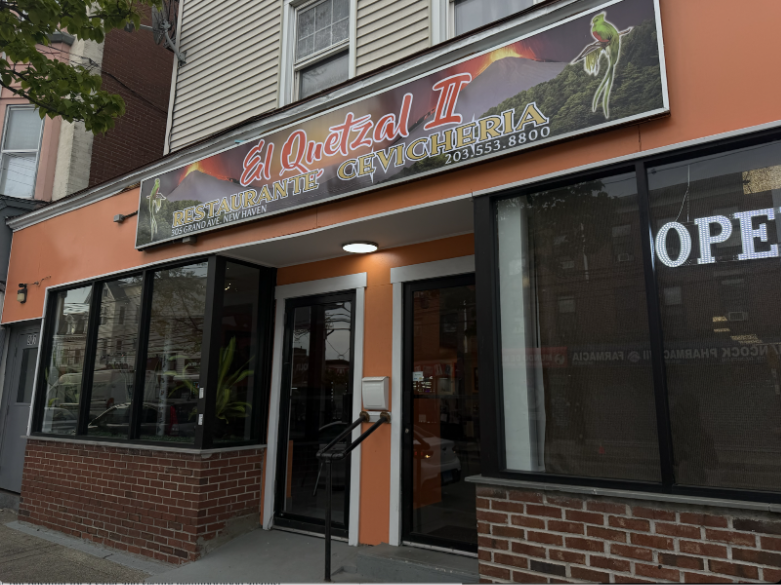
El Quetzal II— New Haven, CT
With these times of uncertainty many business owners also carry the liability or pressure of maintaining their businesses as a safe place for employees and even customers despite the immigration enforcements making this difficult. Business owners and even employees themselves have curated plans of action if the unwanted ever occurred.
Manager of Rey Azteca, Manager of Rey Azteca Lizette Luma, and Yeimy Aguirre, server at El Quetzal II, are amongst the vast majority of those workers who are constantly alert and prepared.
“I do feel responsible for the safety of my coworkers and customers. The first thing I would do is lock the doors if they have no orders of arrest and keep the customers and employees inside to calm them down,” said Luma.
Yeimy also said, “If ICE ever tried to come, I would not allow them in.”
These are businesses that are living through the new normal of fear, anxiety, and concern. Businesses that can’t hide their identity but push for a safer and secure neighborhood against federal authorities. The business owners are all just trying to continue to survive, but have adapted to the new drastic changes in the atmosphere and business.
Many of these business owners have accepted the fact that working with fear is their new normal and hope one day the streets of Grand Avenue will return to its roots.
“I work with fear, but before anything I always put my faith in God first and what needs to happen will happen,” said Guzman.