
By Connor Wilson
Name. Image. Likeness. Three words that have been engraved in the brains of collegiate athletes, university administrators and fans. Student athletes can now legally earn money, in some cases millions of dollars. This has led to a rise of the transfer portal where athletes “test their value” in what’s become a free agency-type setting. College athletics today are professional in every way, with the naïve idea of amateurism that emerged in the late 19th century finally diminished.
“At its core, the NCAA is a business just like any other organization, and the main objective of any business is to make a profit first and foremost,” basketball writer Jaden Daly said. “With that being said, why shouldn’t a student-athlete benefit from a business making money off him or her while he or she can?”
Daly, founder of the nationally recognized basketball website Daly Dose of Hoops, has been following college basketball closely since his days at St. John’s as a student in the mid-2000s. He’s seen first-hand this sudden shift from amateurism to the present pay-to-play system.
Will collegiate athletes ever return to the original amateur model forged in the 19th century? Even though athletes have illicitly received money under the table for more than a century from alumni and boosters to attend a given school, it’s doubtful that collegiate sports will ever return to the days where most only received renumeration in the form of scholarships.
Probably not.
So what can schools do?
Not much, particularly given the status of collegiate football and men’s and women’s basketball with lucrative television contracts and wealthy alumni driving the money machine. The so-called Power Four conferences – the Big Ten, Southeastern Conference, Atlantic Coast Conference and the Big 12 – all have at least 16 member schools. The SEC alone sent 14 of its 16 men’s basketball teams to the NCAA Tournament. In all, 33 of the 68 teams in the field came from Power Four schools.
Cooper Flagg, arguably the game’s biggest star at Duke, made nearly $5 million in NIL funds per the recruiting website On3 Sports. Alabama’s Mark Sears and North Carolina’s RJ Davis each made in the ballpark of $2.5 million during their final seasons. These are values that only the top of the collegiate athletics world can afford, more shocking when you realize these numbers are for individual athletes, not rosters as a whole.
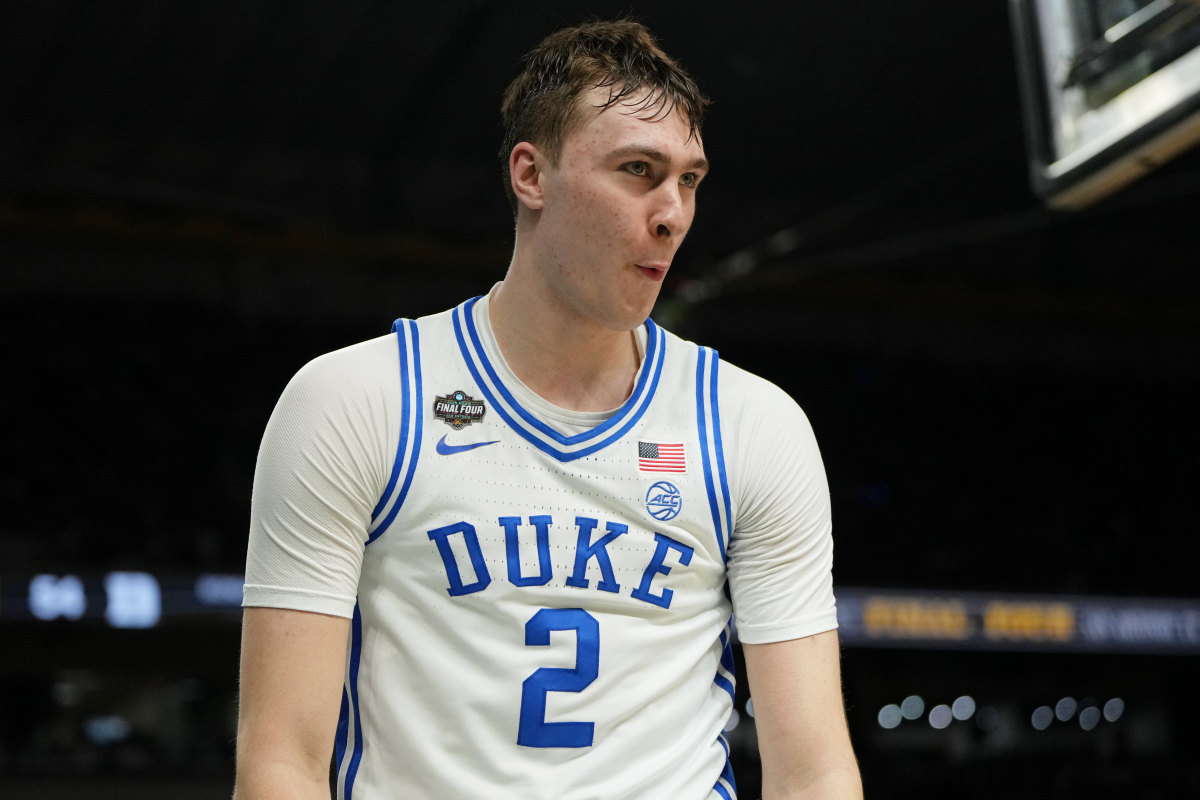
Cooper Flagg earned nearly $5 million in NIL money during his one season at Duke when he led the Blue Devils to the Final Four. (Photo: Athlon Sports)
The 2025 men’s tournament exemplifies the concentration of power, driven by money. The four No. 1 seeds in the regional format all reached the Final Four, including two from the SEC and one each from the ACC and Big 12. In the past six NCAA men’s tournaments, 18 of the 24 teams that survived to the Final Four competed in Power Four conferences.
What about the other six? Gonzaga made it in 2021, but with the program that coach Mark Few has in Spokane they might as well be considered a power program. 2023 was a weird year where San Diego State made the title game out of the Mountain West and Florida Atlantic went on a Cinderella run as a nine seed. It’s called March Madness for a reason.
There is one outlier: The Big East Conference, composed of mainly small private schools except for the University of Connecticut. Villanova and UConn have won two national championships apiece over the past decade, coming out of a conference whose tradition of winning dates back to the 1980s and continued well into the 21st century.
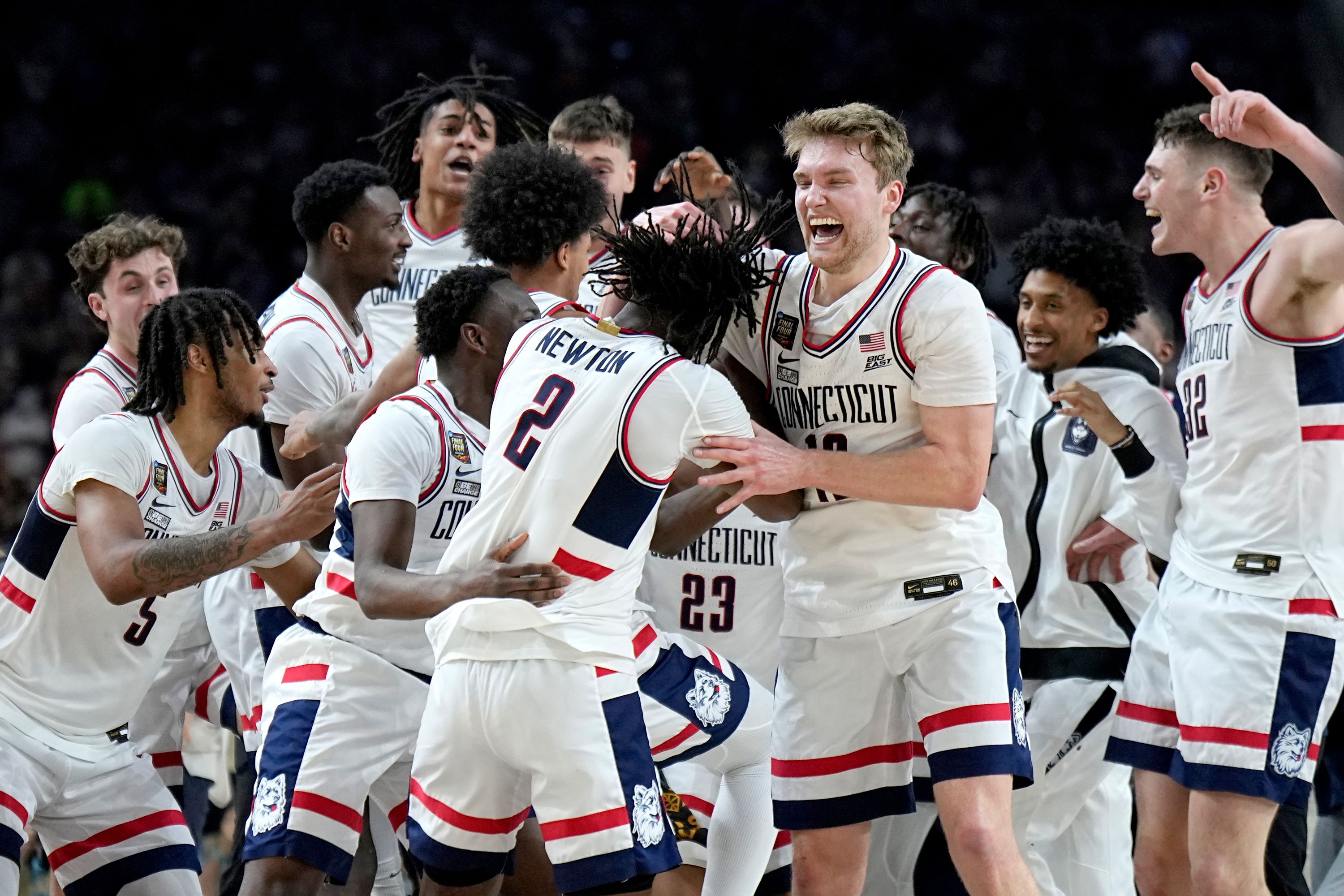
UConn won back-to-back national championships in 2023 and 2024, accounting for two of the Big East’s four titles since 2016. (Photo: CNN)
The problem with the Big East, though, is simple: it’s not a football league. Villanova won a national football championship in 2009 but in the tier below the Football Bowl Championship division. UConn competes as an independent.
“I think the biggest strength of the Big East is it knows what it is and it knows what it’s not. You see Big East schools schedule smarter because of it, where programs have a feel for which games will help metrics and be mutually beneficial for their own interests and for the league,” Daly said. “The lack of football—outside of UConn, which is independent—allows for a greater focus on resources to help basketball, and the conference’s postseason success is a direct result of the commitment each school puts into it.”
The 2024-25 season marked a low point for the Big East after years of national prominence. Five schools – St. John’s, Marquette, Creighton, Xavier and UConn – competed in the NCAA Tournament but all exited early. In women’s basketball, though, the league remained a force as UConn won the national championship for the 12th time, a record for collegiate basketball.
A major reason that the Big East sent five teams to the NCAA Tournament this year was the use of the transfer portal. Just looking at some of the top players on each of those teams, Steven Ashworth and Jamiya Neal were stars for Creighton. St. John’s had Kadary Richmond, Zuby Ejiofor and RJ Luis Jr., all of whom were Big East First team selections with Luis winning player of the year in the league. Ryan Conwell and Dayvion McKnight were leading Xavier late in the season as the Musketeers made a late push to get into the tournament.
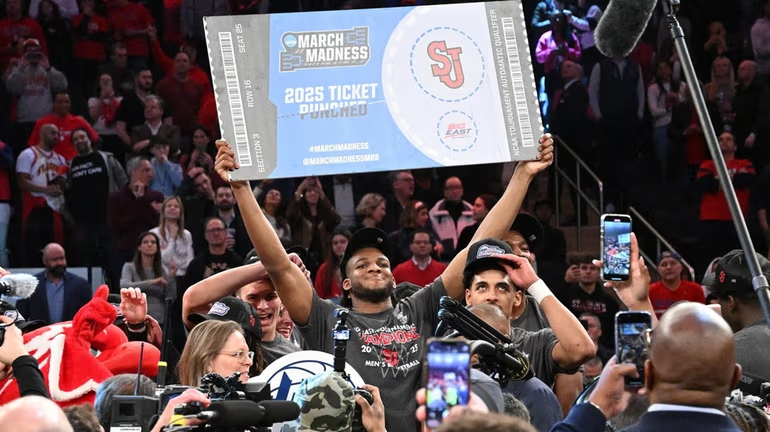
St. John’s won both the Big East Regular Season Title and Big East Tournament in 2025, heavily utilizing the transfer portal to build its roster. (Photo: CNN)
Clearly the portal has helped every team in the Big East, but it also could hurt too. The examples could go on forever. For the most part, players are migrating to schools that can give them the most money and aren’t even considering how they’d fit on the team in some cases. That’s why the Power 4 is near the top, as they provide deals that smaller leagues and teams can’t even get close to matching. One positive the Big East has is that it doesn’t have to use its money on the football team and can prioritize basketball. Football attracts more money to Power Four and even Group of Five leagues (American Athletic Conference, Conference USA, Mid-American Conference, Mountain West Conference and Sun Belt Conference), but the Big East can make its men’s and women’s basketball punch above their weight relative to conferences laden with football powers.
“The portal is a double-edged sword,” Daly said. “It’s definitely helped the schools that have more of a commitment to NIL funds, like UConn, Creighton and St. John’s, for instance, but it’s also hurt schools too. Look at Seton Hall this past season. The lack of financial stability in relation to its Big East brethren was noticeable on and off the court this past season, and Seton Hall was unable to adapt right away.”
Financial stability isn’t just a pressing issue for programs like Seton Hall at the bottom of the Big East, it’s an issue for nearly every mid-major program in the country. Smaller schools are turning into farm systems for the power conferences to pick apart at, poaching most of the top talent every offseason. It does create great storylines, such as former Iona guard Walter Clayton Jr. winning a national championship with Florida in April or longtime Loyola Maryland guard Cam Spencer reaching the same feat with UConn in 2024. You don’t get a chance to compete for championships at lower-level programs like that, so it makes sense from a player perspective. It’s a harsh reality for the mid-major programs, though, as they have to deal with the same roster turnover the big schools do year in and year out.
There are some schools taking an old-school approach to the transfer portal that has worked so far, like Shaka Smart at Marquette. While he’s had some solid success, it may not be sustainable.
“I also think avoiding the portal, the way Marquette has in favor of a more conventional form of player development, could eventually be perilous even if it hasn’t manifested that way just yet,” Daly said.
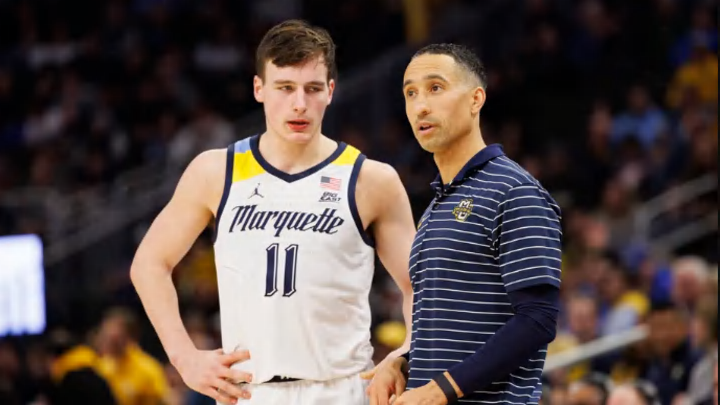
Shaka Smart has avoided the transfer portal at Marquette for the past couple of years, but the last time he utilized it he brought in eventual Big East Player of the Year Tyler Kolek. (Photo: Sports Illustrated)
The Golden Eagles are notorious for avoiding the portal. They didn’t add a transfer in either of the past two seasons and haven’t been linked to anyone yet this offseason. It’s a bit ironic, as the last transfer who came in and made an impact for Smart was Tyler Kolek, a guard who is now in the NBA after winning Big East Player of the Year in 2023.
You don’t see too many players transfer out of Marquette, either. Kam Jones, who played all four years of his career in Milwaukee, earned an estimated $1.6 million through NIL last season per On3 Sports. If you play out, you get paid out with the Golden Eagles.
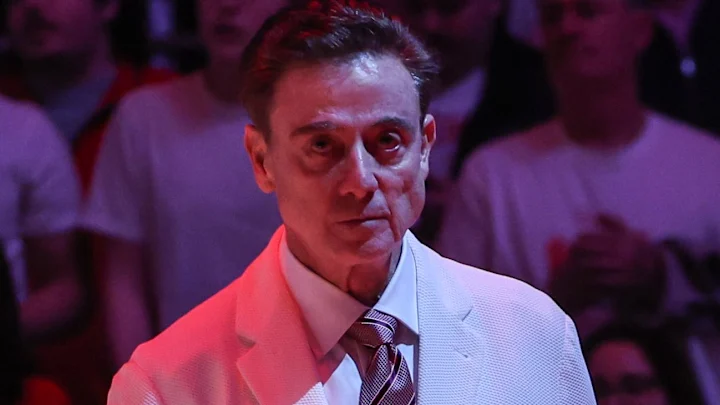
Marquette, however, may be forced to adapt to the reality of the portal. Rick Pitino and St. John’s almost exclusively recruits from the portal and had great success last season and has reacquired talent for next season as well. With the NCAA House settlement actively going on, it would change how money is distributed to schools who then can choose how they divide it up. The so-called House settlement stems from three lawsuits filed in 2016 against five conferences (the Power Four and the now-truncated Pac 12) and the NCAA for antitrust violations. The settlement reached in 2024 provides nearly $2.8 billion in backpay to current and former athletes who competed since 2016 and creates a structure where schools can directly pay athletes up to 22% of their average athletic revenues annually, or about $20 million per school. This would allow Marquette to have even more money and potentially sway them into utilizing the portal more often.
For the most part, The Big East can focus its resources on men’s and women’s basketball because only UConn fields a Football Bowl Subdivision team. Butler, Georgetown and Villanova compete in the Football Championship Subdivision, which doesn’t attract the top players and their NIL demands as they do when deciding the FBS school to attend.
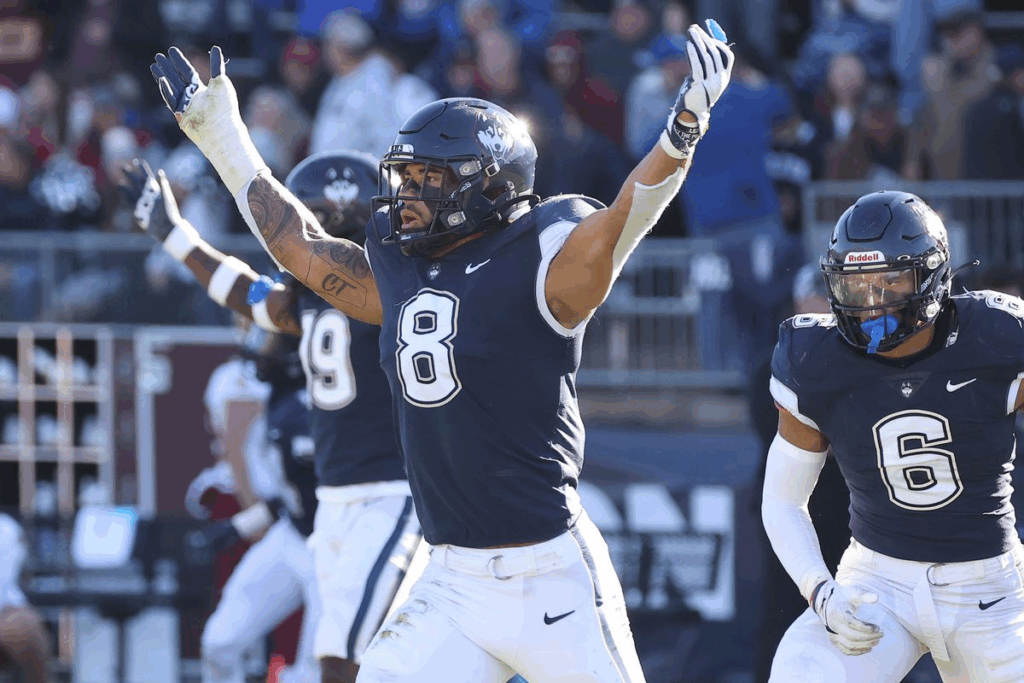
The only team in the Big East that has an FBS football team is UConn, who plays FBS Independent. (Photo: UConn Blog)
“The Big East is actually in a very advantageous position for the future with the way the House settlement is expected to play out, because football is not taking a majority of the revenue sharing,” Daly said. “As a result, you’ll see more Big East schools get to use their resources more efficiently and with a common goal in mind: Enhancing the basketball success both on a micro and macro playing field. Even if a conference like the SEC or Big Ten has more in the bank, the Big East will be better equipped to be more financially savvy.”
The Big East occupies an advantageous sport because of the conference’s lack of football at most schools. And that’s not about to change.
“Everyone, individually or collectively, ends up having to adapt to new conditions one way or another. That’s natural when society is so variable and consistently evolving,” Daly said. “College athletics is no different, and I think the older and more preconditioned an institution is to how things have been before, the less likely it will be to accept life moving forward, whereas those who have been able to operate more freely in the past will be able to maintain that mindset in the atmosphere the new landscape dictates.”