
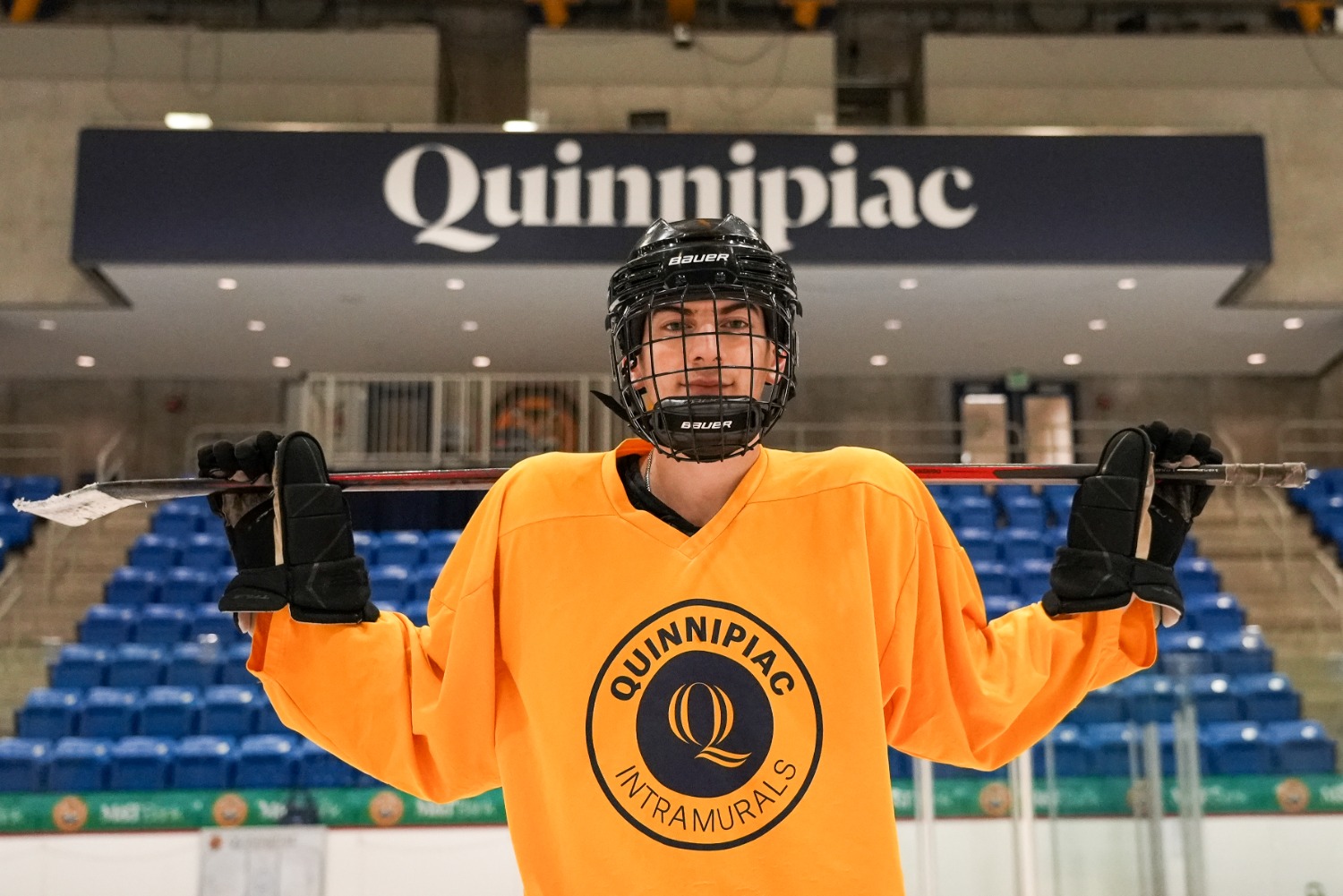
While Quinnipiac University may be known for its Division I titles and pro-bound players, the real community of the campus might be found in the intramural program. With over 2,000 participants, and more than 20 sports, Quinnipiac intramurals offer students the chance to continue their athletic journey while also building lifelong friendships.
One of the biggest appeals of intramural sports is the accessibility they offer to students of all skill levels. Unlike varsity or club programs, there are no tryouts, allowing anyone with interest to participate. This open format creates an environment where students feel comfortable stepping outside of their comfort zones, whether that means trying a new sport for the first time or returning to one they have not played in years. They also provide options to join random teams if you do not know people that want to play.
For students who may not immediately find their place on campus, intramurals can provide an easy way to make friends with similar interests. This can be especially valuable for first year students adjusting to a new environment, as well as transfer students looking to involve themselves within the campus community.
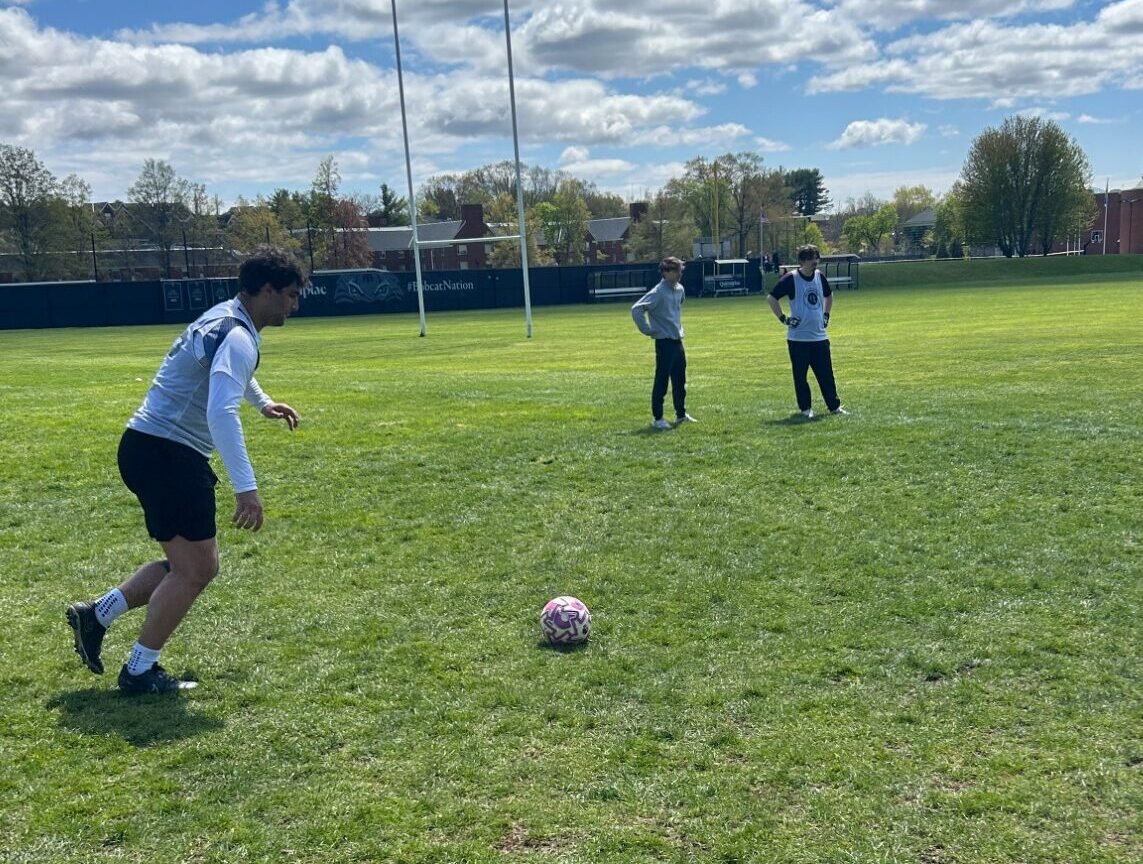
More than 20 intramural sports, including flag football, basketball, soccer and hockey, are offered each semester at Quinnipiac. The recreation department has reported a significant increase in participation over the past five years, reflecting a growing student interest in social and recreational competition. According to Drew Rousseau, associate director of recreation, leagues are filling quicker than ever. However, increased participation has also made it more difficult for some students to secure roster spots, as leagues can fill up quickly depending on the sport.
The structure of intramural leagues also plays a key role in community growth and participation. Seasons are typically short and organized, with consistent weekly schedules that make it easy for students to commit to games while still being academically responsible. Games are often played in the evenings, or weekends, giving students something to look forward to after a long day of classes. Still, scheduling conflicts can be a challenge, especially for students balancing jobs, internships or heavy course loads, with games often being on the same day each week.
While intramurals are open to all students, many participants are former high school or club athletes looking for a less intense, yet still organized way to compete. For others, the community that comes from being at the same place at the same time with the same people week after week is exciting.
Over time, that routine can turn into tradition. Many teams form at the beginning of a student’s college career and continue playing together through graduation. These teams develop identities, inside jokes and even rivalries.
“Intramurals aren’t just about staying active,” said Rousseau. “They build community for a lot of students and a place where you can have everything set up for you, you can just come play. They are also just a good way to stay active with your friends. We have these intramural legends who show up starting as freshman and show up to every game for their entire degree and it really is fun to watch.”
Along with the social effects, intramural sports can also contribute to students’ mental health. College life often comes with academic pressure, such as deadlines and the challenges of living away from home. Having a consistent method for physical activity can help reduce stress and can improve overall happiness, especially in a low-pressure environment. Still, students say the benefits go beyond physical activity and staying healthy.
“Being on a team here isn’t just about which sport you are playing, it’s about making friends and finding a support system,” said Kyle Peters, a senior business major and intramural supervisor. “The amount of teams I’ve seen that have played all four years is crazy. Teams have students take on leadership roles as captains, which builds to the atmosphere. It is also very frequent that teams will play every sport, so we will have the same team be really good at something like soccer because they all used to play, but not so good at something like basketball because it is new to them but no matter the sport they will show up and have fun and I think that is awesome to watch.”
Leadership opportunities within intramural sports can be highly impactful in many situations. Team captains are responsible for organizing rosters, communicating with league officials and ensuring their teammates show up. One of the new implementations to the program was the forfeit fee, which Rousseau said was to ensure the best participation. The captain must pay the balance or they will not be allowed in the recreation center at all.
Intramurals also help students balance academics and athletics.
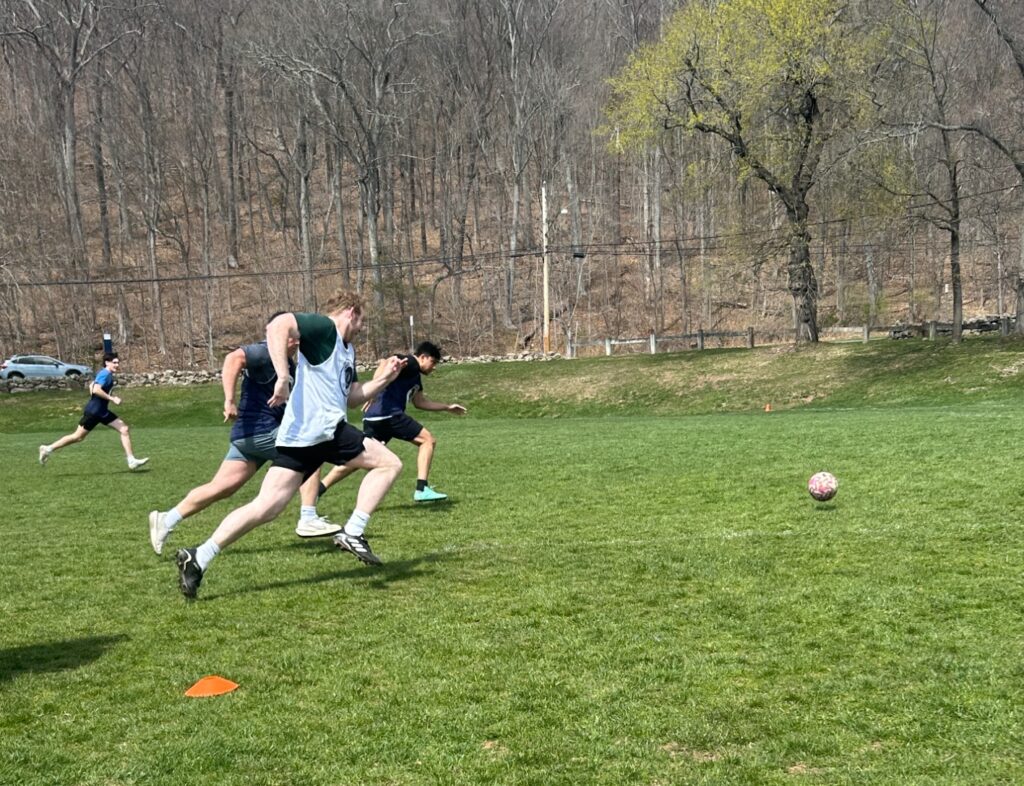
“Intramural soccer helps me clear my head and relax,” said Alex Michel, a senior engineering major who plays both club and intramural soccer. “Intramurals are less competitive than club sports, so they’re a good way to work on my game and play with my friends without too much pressure. It is just really nice to be able to play the game that I play so much but in a completely new environment with all my friends who don’t really play much.”
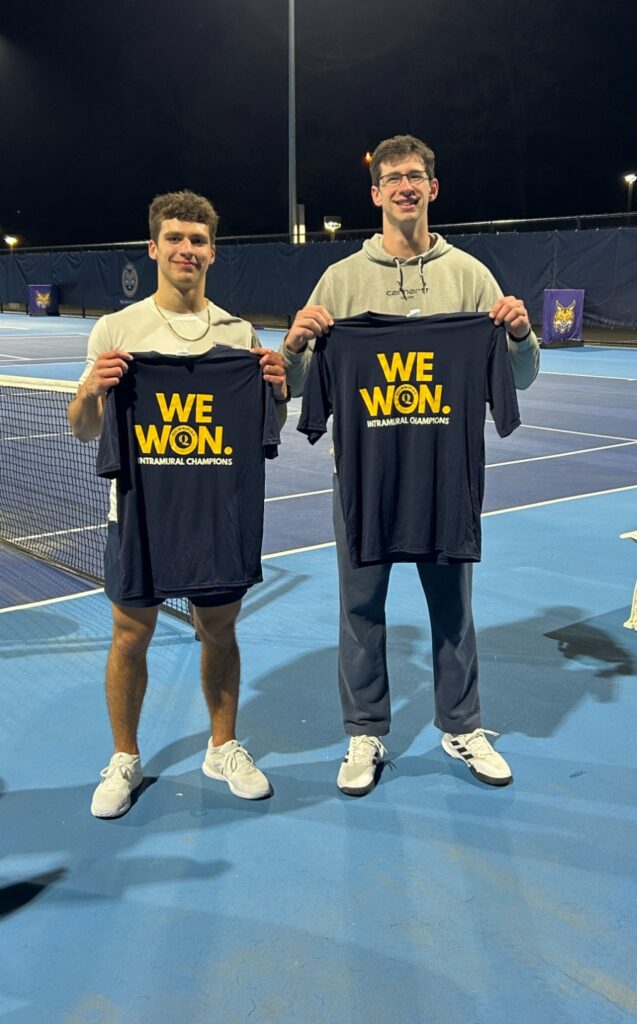
The competitive element of intramurals, while not at the level of club sports, still plays an important role. Playoff brackets and championship games give teams something to strive for, while maintaining an atmosphere that prioritizes fun. Teams that are able to win a championship in their respective sport win a shirt, as well as the basketball all-stars. This balance between competition and enjoyment is what keeps many students involved.
Grazia Fichera, a first-year social work major, joined an intramural volleyball team with her team as a way for them to have fun together.
“I just wanted to be with my friends and have an easy way to have fun on campus,” Fichera said. “I am lucky enough where I do not have to do homework or have to study every single night, so my friends and I schedule around intramurals that way we always are filling our time. It really is not about winning or losing either.”
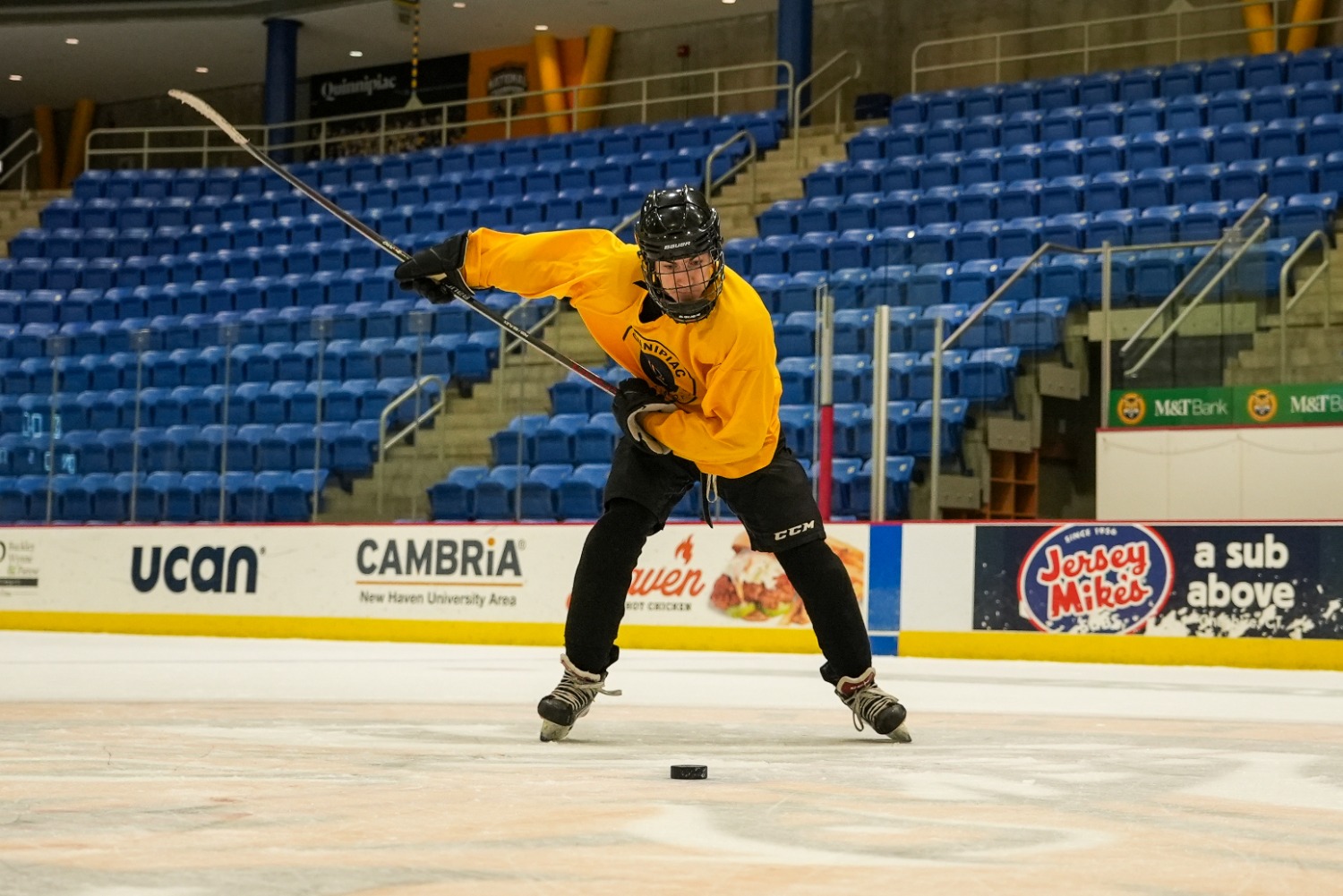
For former athletes, intramurals can provide a more relaxed way to stay connected to the sports they love. William Wertheim, a graduate sports journalism major, plays intramural hockey to continue his passion after high school.
“I am just not ready to get away from the game that I grew up playing, and that I have played all my life,” Wertheim said. “It’s a nice way to keep me on the ice once a week and having a few laughs with my friends while I am at it. You worry that after high school you might stop having the fun of organized sports, but with this we’re able to keep, maybe some of that youthfulness.”
After years of structured competition, the sudden absence of organized sports can leave a void. Rousseau said the impact extends beyond individual participants.
As participation continues to grow, the role of intramural sports on campus is becoming more important. They promote physical activity but also improve student life by offering a competitive yet friendly environment for students to enjoy.
From experienced athletes to beginners, Quinnipiac’s intramural programs offer opportunities for students to grow together physically and socially. For many, the experience goes beyond the game and has become a real community.
“These programs help students stay athletes while also building friendships,” Rousseau said. “They remind us why we loved sports in the first place, even if it’s just for fun now.”